
ABC ranking for a shop that sells both bread and brass fittings
When one back room holds groceries and hardware, a single ABC ranking lies. Rank inside categories, or the bread will always look ‘A’ and the slow elbow will hide a second problem.
Inventory planning · Tbilisi counting-room
Short pieces from sittings and aisle walks. They are written for keepers who already hold goods, not for people collecting slogans about planning.
These notes come out of work in Georgia: dry-goods depots, grocers feeding tourist weeks, hardware back rooms, and import lots that live by the Poti timetable. Read them as field margins, not as a course.
When one back room holds groceries and hardware, a single ABC ranking lies. Rank inside categories, or the bread will always look ‘A’ and the slow elbow will hide a second problem.

Safety quantity is extra days of cover against a lead time you have actually lived, not against a brochure. In Georgia that often means the ferry, the road, and a Tuesday dock that was already full.
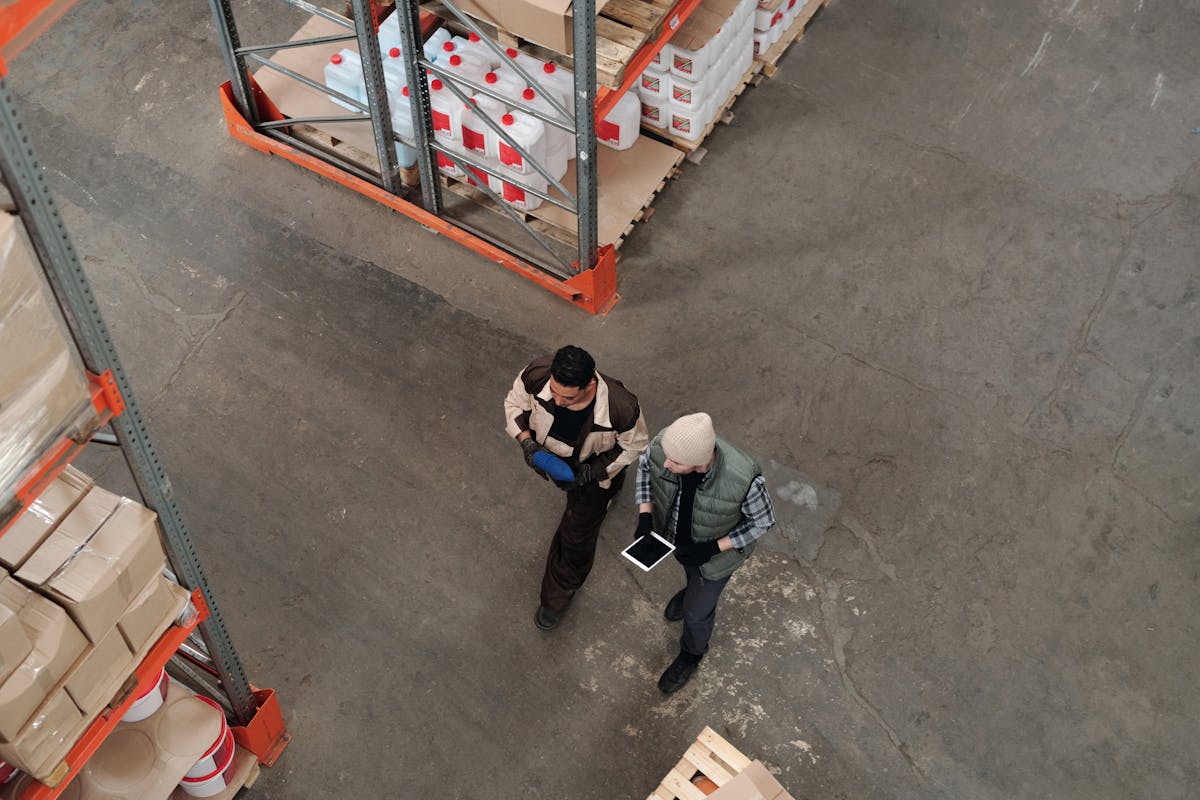
A silent bay has a last-sale date. Naming that date, and the lari tied up, is more useful than calling the owner stubborn — even when the brass elbows stay.

Before December orders, count the festive lines that die on 7 January, the staples that actually carry February, and the pallet positions you will not have when the dock is blocked.

A days-of-cover bar is a weather chart for a SKU. Thick ink means the bay will go quiet before the next truck; a pale line means you are paying rent on cardboard.