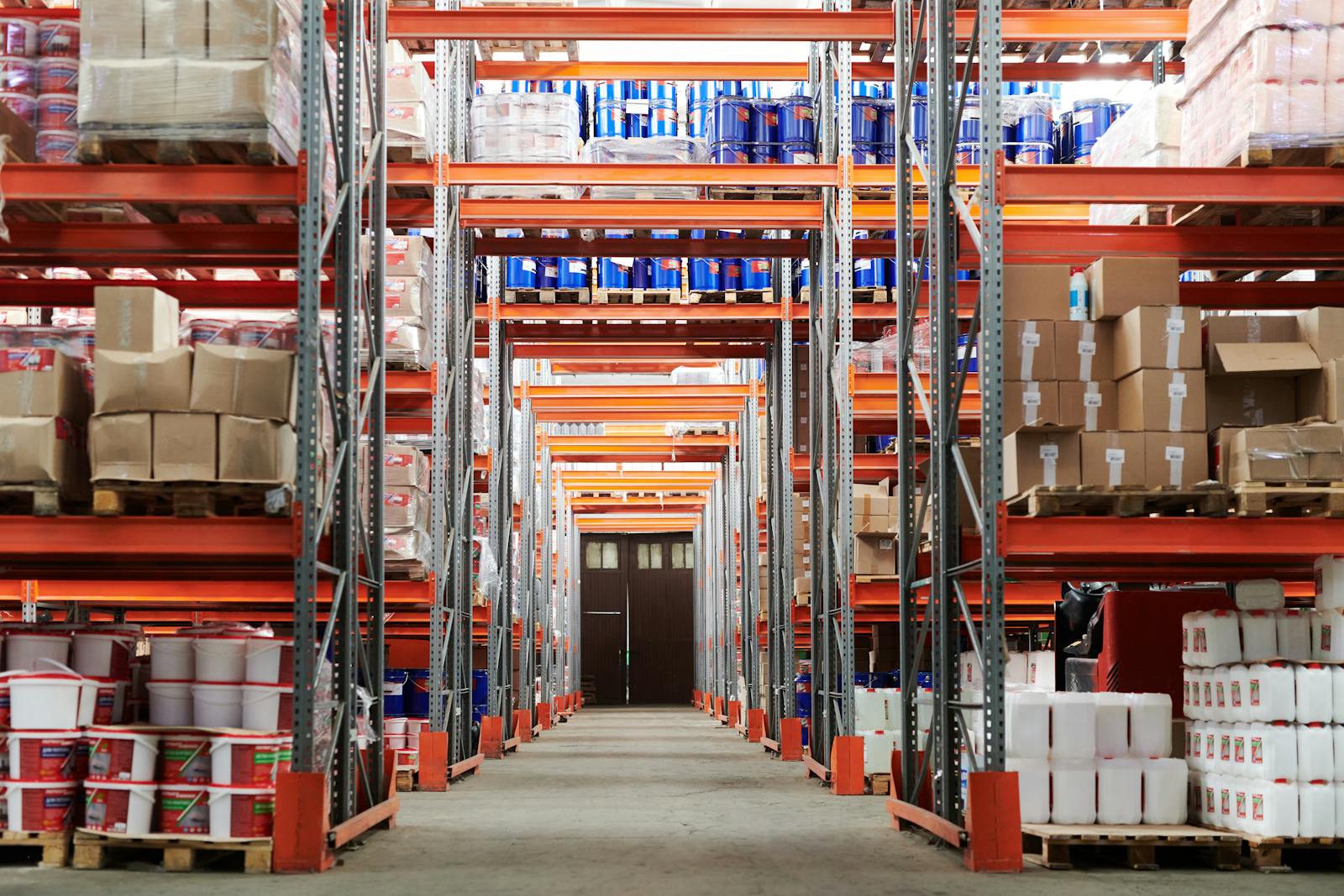
A picture of what the warehouse is actually holding
We walk the aisles, read the purchase books, and draw the movement of SKUs so a buyer can see days of cover, slow corners, and the next order without guessing from a pile of invoices.
What a stock picture is
The workA stock picture is a set of printed sheets: bars for days of cover, a floor sketch with slow bays marked, and a short list of SKUs that will stock out before the next vessel or truck. It is not a login screen. It is paper and conversation, made from your counts and selling history.
Stack Layerbase Analytics works with people who already hold goods — cardboard, tins, fittings, bottled drink, fabric rolls — and who need to see the next buy clearly. The Visual Stock Review is the flagship sitting. Around it sit a replenishment calendar, a dead-stock pass, an open-to-buy for a selling season, and a cycle-count map for the people who actually walk the racks.
We do not take over the warehouse. We do not replace your bookkeeper. We draw what the shelves are doing, then sit with the buyer until the next ninety days of orders have names and dates.
Planning work taken on
From the classifieds
Visual Stock Review
An on-site or records sitting that turns counts and twelve months of sales into printed pictures of days of cover, slow bays, and the next ninety days of buying.

Seasonal replenishment calendar
A dated buying calendar for a selling season — New Year retail, Batumi tourist weeks, harvest bottling — with quantities tied to lead times you already live with.

Slow-mover and dead-stock review
A pass through bays that have not moved, with a printed list of what to markdown, return, donate, or leave on the back wall until the next count.
Open-to-buy for a selling season
A cash envelope for the next buying period: how much may still be ordered, by category, after stock already on hand and on the water is counted.
Who walks the aisles
The practice
Nestan Beridze
Counts and aisle walks
Twelve years as a warehouse supervisor in a Tbilisi dry-goods depot before she began drawing stock pictures for other keepers.

Giorgi Kapanadze
Purchase books and seasons
Kept the buying calendar for a grocer chain in Adjara: citrus in winter, tourist weeks in Batumi, and the long quiet after.

Lela Maisuradze
Draws the pictures
Turns days-of-cover, dead bays, and seasonal curves into printed sheets a floor manager can pin beside the pick list.
From a client sitting
EvidenceThe calendar for New Year was useful. What I used daily was the short list of biscuits that look festive and do not move after the seventh of January.
Davit K., grocer, Saburtalo — Seasonal replenishment calendar
Field notes
From the journal
ABC ranking for a shop that sells both bread and brass fittings
When one back room holds groceries and hardware, a single ABC ranking lies. Rank inside categories, or the bread will always look ‘A’ and the slow elbow will hide a second problem.

Safety stock when the Black Sea ferry is late
Safety quantity is extra days of cover against a lead time you have actually lived, not against a brochure. In Georgia that often means the ferry, the road, and a Tuesday dock that was already full.